
Onboard Entertainment Trends in Rail 2026
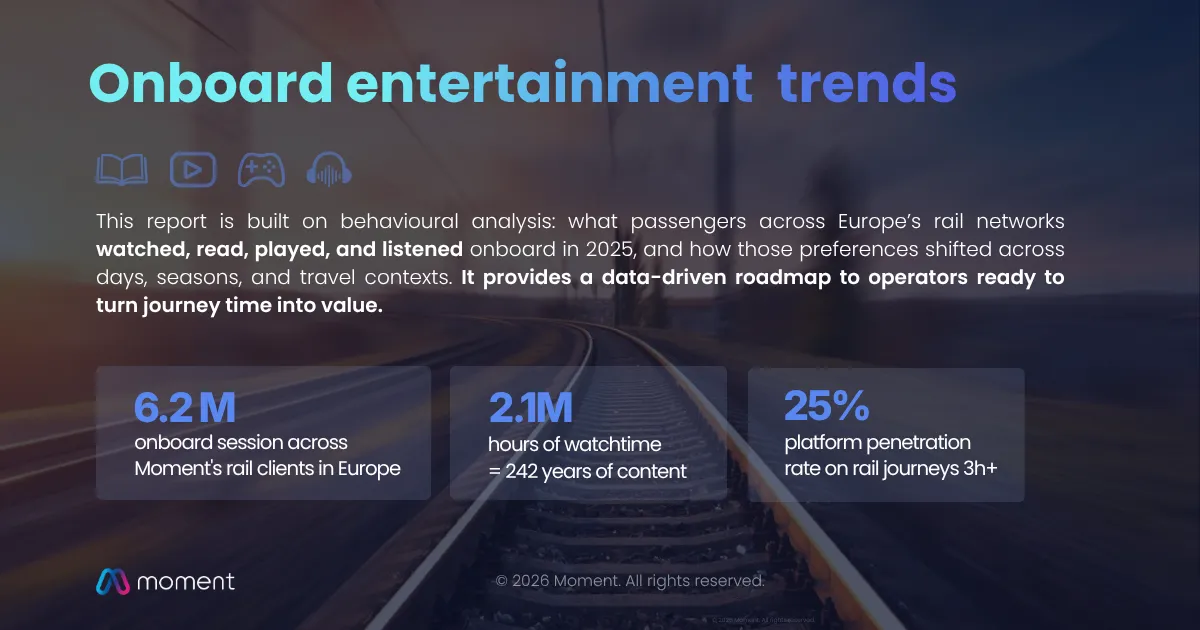
Data from 6.2 million onboard sessions across Europe's rail network in 2025. What passengers watch, read, play and listen to onboard — and how those preferences shift by season, route and passenger profile.
Key findings
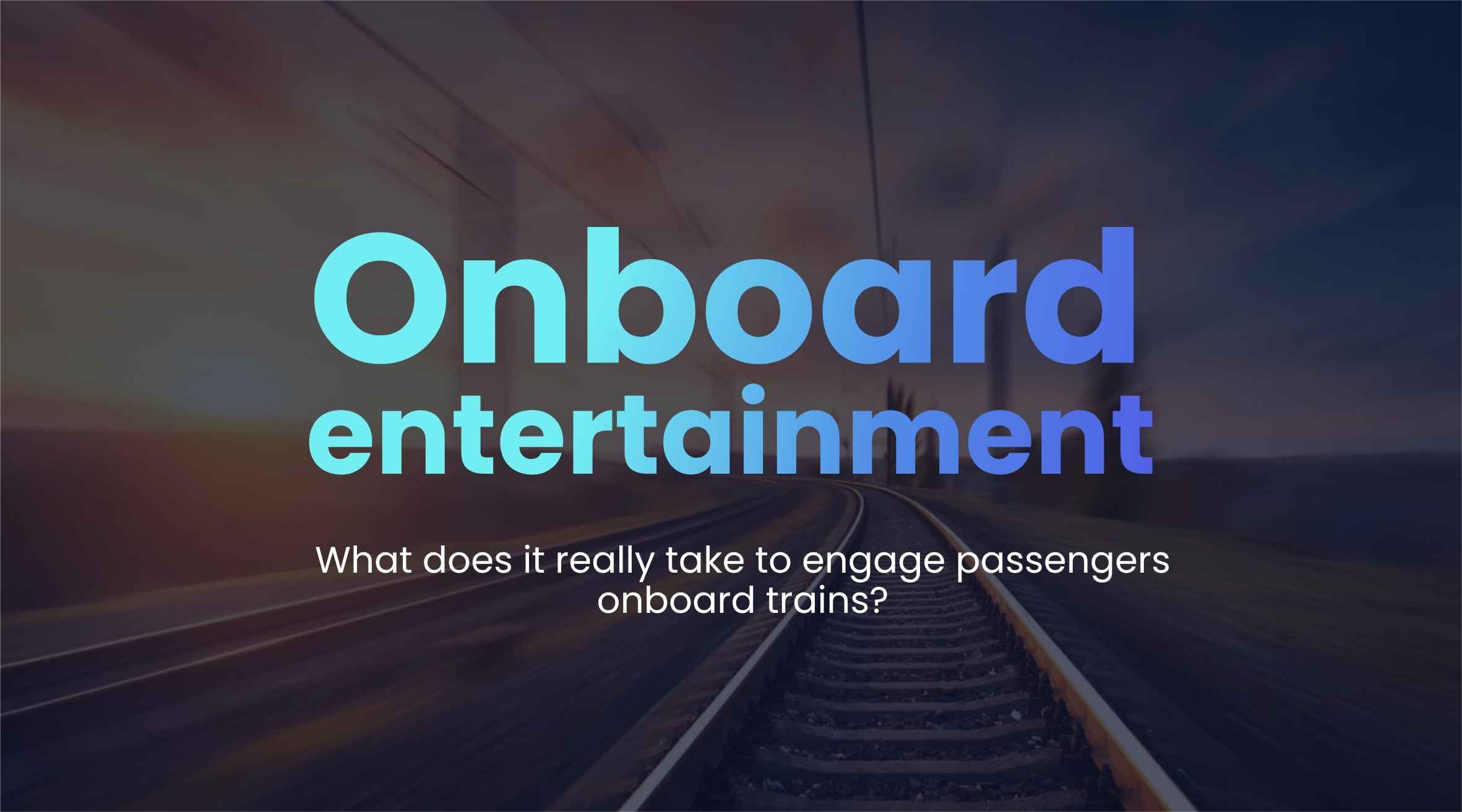
- 6.2 million content sessions recorded across Europe’s rail network in 2025 — 1.8 million hours of watchtime at a 25% platform penetration rate on journeys over 3 hours. Passengers are genuinely engaged, not passively browsing: portal time is 2.1x content time. (Moment European Rail Deployment Data 2025)
- Video accounts for 61% of all onboard sessions. Blockbusters drive 74% of total viewing time. A strong Hollywood catalogue is not a differentiator — it is table stakes. The differentiation happens in the secondary formats operators have systematically underweighted. (Moment European Rail Deployment Data 2025)
- Webtoons surge 200% in summer, making them the fastest-growing press format onboard. Gen Z and younger millennials are reshaping category mix during school holiday periods — operators with static catalogs miss this shift entirely. (Moment European Rail Deployment Data 2025)
- Summer generates 42% more content sessions than standard months. Weekends outperform weekdays by 26%. November is the low point at −18%. The seasonal editorial calendar is a data decision, not a creative one. (Moment European Rail Deployment Data 2025)
- 77% of audio sessions are podcast-driven, with vodcasts emerging as the fastest-growing audio-visual format of 2025. Operators without audio and podcast inventory are invisible to a high-engagement audience segment. (Moment European Rail Deployment Data 2025)
European rail is growing. Passenger expectations are growing faster.
European rail passenger numbers are at a record high. EU rail travel grew 10% between 2023 and 2025, and the digital railway market is following the same trajectory. At a 9.4% CAGR forecast through 2035, onboard digital infrastructure, including connectivity, Wi-Fi portals, real-time travel information and train passenger experience platforms, is moving from optional to operational standard.
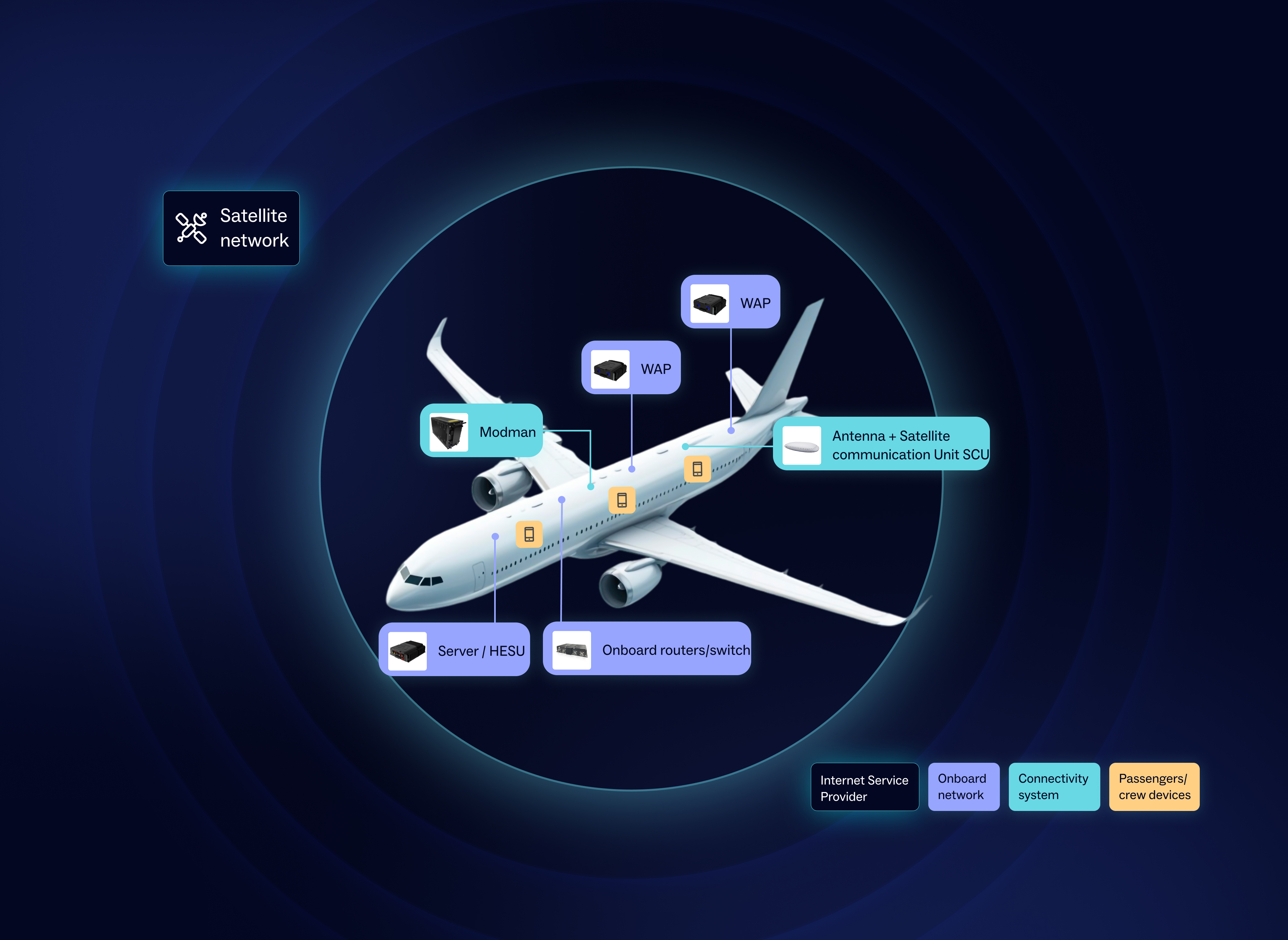
A train passenger experience platform is a software layer, served locally on the train’s network, that delivers video, audio, games and travel information to passengers on their own devices without requiring an external internet connection. According to Moment’s 2025 European rail deployment data, 6.2 million content sessions were recorded across European rail clients, representing 1.8 million hours of content watchtime. It maps what passengers actually consumed onboard, how preferences shifted across seasons, and what that means for rail operators building their content and engagement strategy.
25% platform penetration rate on journeys over 3 hours. That is the baseline from which the data is drawn.
What rail passengers actually consume onboard
Video dominates. It accounts for 61% of all content sessions across networks and seasons. Games follow at 19%, press at 16%, music at 4%.
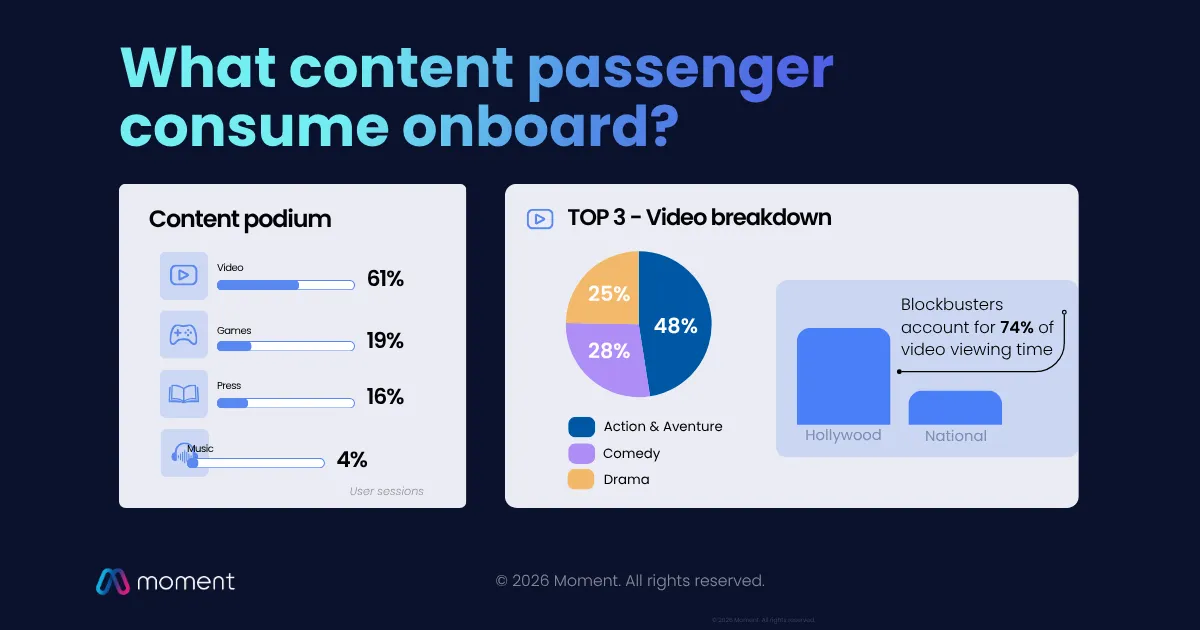
Within video, blockbusters drive 74% of total viewing time. Action and Adventure is the leading genre year-round. For content managers, the conclusion is simple: a strong Hollywood catalogue is not a differentiator, it is table stakes.
Press consumption tells a different story. National and regional newspapers account for 73% of press reads, reflecting the dominance of business travellers and regular commuters on European high-speed networks. But the format breakdown reveals a structural shift: webtoons represent just 6% of annual press reads and surge by 200% in summer, becoming the fastest-growing press format onboard. A vertical-scroll digital comics format, frictionless on mobile, driven by Gen Z and younger millennials travelling during school holiday periods.
Audio remains a small category at 4% of sessions, but podcast engagement is disproportionately deep. 77% of audio sessions are podcast-driven, with vodcasts (filmed podcasts) emerging as the fastest-growing audio-visual format of 2025. The majority of passengers access the platform via iOS (36%) and Chrome (40%), so technical and UX compatibility across all browsers and operating systems is a baseline requirement for any rail IFE deployment.
The seasonal patterns operators cannot ignore
Content consumption on rail does not follow a flat curve. It peaks sharply and predictably, and the category mix shifts with it.
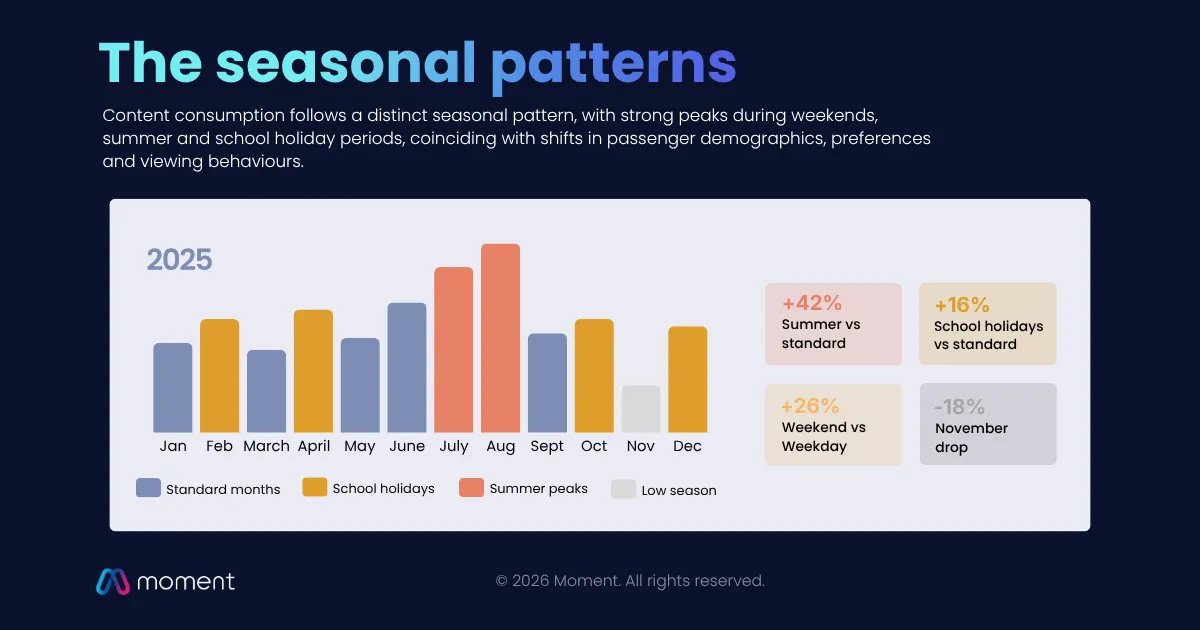
Compared to standard months, summer generates 42% more content sessions. School holiday periods add 16%. Weekends outperform weekdays by 26%. November is the low point: sessions drop 18% below standard months.
These are not random fluctuations. They reflect demographic shifts in who is travelling. Summer and school holidays bring leisure travellers, families and younger passengers. That shift changes what performs: Comedy rises from 28% to 32% of video watchtime in summer. Gaming preferences shift sharply, with younger passengers driving a move toward faster, more accessible formats. Webtoon readership triples. International press grows as tourist volumes increase.
For rail operators managing a content catalogue on their onboard entertainment platform, these patterns are actionable. The seasonal editorial calendar is not a creative decision. It is a data decision.
What the data tells rail content and digital teams
Passengers are genuinely engaged, not passively browsing. Average video watchtime is 28 minutes per session on journeys under three hours. Portal time is 2.1x content time: passengers use the platform to check travel information, menus and services, not just to consume media. The onboard passenger experience extends well beyond the content catalogue.
The content gap is not volume, it is relevance. Hollywood blockbusters and national press perform consistently. The growth opportunities are in the formats that editorial teams have historically underweighted: webtoons for younger passengers in summer, vodcasts for the audio audience, and culturally responsive curation tied to live events and cultural moments.
The gap between operators who use this data and those who don’t is widening. With 9.4% annual market growth and new operators entering European rail under the Fourth Railway Package, the content and digital experience layer is becoming a competitive differentiator. Operators who treat their content catalogue as a static asset are losing ground.
The full report covers genre-level data across video, press, games and audio, seasonal editorial recommendations by passenger profile, and a practical onboard content strategy framework for rail content managers to implement immediately. Built from 6.2 million real onboard sessions across Europe’s rail network in 2025. Used by content managers, digital leads and passenger experience teams at European rail operators to structure their onboard editorial strategy. Free download. Practical, not theoretical.
Frequently asked questions
What content do rail passengers consume most onboard in 2025?
Video is the dominant format at 61% of all sessions, with blockbusters driving 74% of total viewing time. Action and Adventure leads year-round. Games account for 19% of sessions, press for 16%, and audio for 4%. Within press, national and regional newspapers represent 73% of reads — reflecting the weight of business travelers on high-speed networks. The fastest-growing formats are webtoons (up 200% in summer) and vodcasts (filmed podcasts), both driven by younger passengers and disproportionately underprovided in most current rail catalogues. Operators who benchmark their editorial mix against this data consistently outperform those who rely on historical habit or licensing availability.
How do seasonal patterns affect onboard content consumption on trains?
Significantly. Summer generates 42% more sessions than standard months, school holiday periods add 16%, and weekends outperform weekdays by 26%. November is the consistent low point at 18% below average. The category mix also shifts: comedy rises in summer, webtoon readership triples, international press grows with tourist volumes. These are demographic shifts — leisure passengers, families, and Gen Z travelers replace the regular business commuter base. Rail operators with static catalogs deliver the wrong mix to the wrong audience at precisely the moments when session volume is highest. A seasonal editorial calendar driven by this data is a measurable commercial lever.
How does portal engagement compare to content consumption time on rail?
Portal dwell time is 2.1x content consumption time. Passengers use the platform to check travel information, food menus, services and schedules — not only to watch or read. Average video watchtime is 28 minutes per session on journeys under three hours. The practical implication: the platform is a commercial environment, not just an entertainment channel. Every minute of portal dwell time is an exposure to retail, advertising, and destination services. Operators who optimise only the content layer — without integrating commercial touchpoints into the broader portal experience — are capturing a fraction of the available value.
What should rail operators prioritize in their onboard content strategy?
Three priorities consistently separate high-performing operators from the rest. First: anchor formats — blockbuster video and national press are non-negotiable; their absence is immediately felt. Second: growth formats — webtoons, podcasts, and vodcasts are underprovided relative to the audience demand that already exists, particularly in summer and on leisure routes. Third: seasonal editorial agility — treating the catalogue as a dynamic asset updated by route and season, rather than a fixed annual license package. Operators who combine strong anchor content with responsive curation on the growth formats generate higher session depth, longer dwell times, and stronger platform NPS.
Discover our latest reports





Ready to redefine your journey with innovative solutions?
Start powering your digital journey with Moment.