Cruises: New Levers to Attract and Retain Generation Z
Discover how cruise lines can attract and retain Generation Z through immersive experiences, social media, sustainability, onboard streaming, Wi-Fi portals, and passenger engagement tools.
%20(6).png)
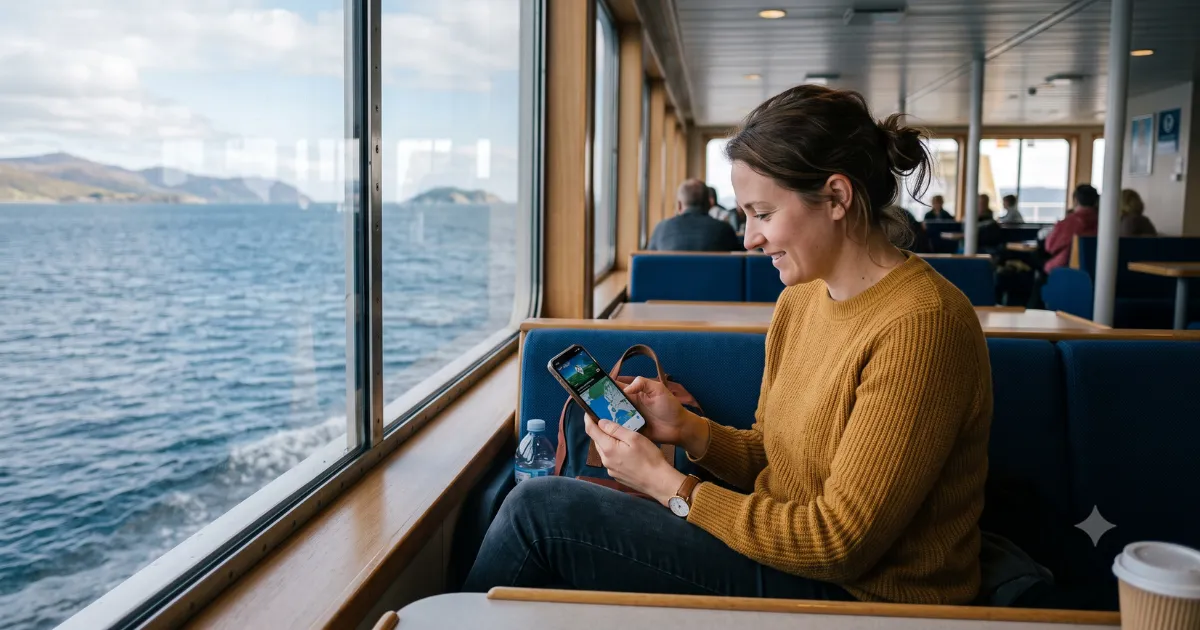
The global cruise industry reached a record 37.2 million passengers in 2025, compared with 1.9 million in 1985, highlighting the sector’s strong long-term growth (CLIA, 2025). While cruising has traditionally been associated with older travelers and families, it is now attracting a growing number of Generation Z travelers. Early indicators already confirm this trend. According to CLIA, more than 76% of Gen Z consumers who have already taken a cruise intend to do so again, while Royal Caribbean reported a 19% increase in Gen Z passengers in 2025 compared with 2024.
This shift presents a new challenge for cruise operators, who must adapt their offerings to meet the expectations of a younger, highly connected generation that prioritizes experiences, affordability, and digital connectivity.
Understanding Generation Z’s Expectations
Value and Experiences Matter
The all-inclusive model strongly appeals to a generation that is particularly conscious of its spending. Accommodation, meals, and entertainment are generally included, providing greater visibility over expenses. The opportunity to visit several destinations during one trip without organizing every stage of the journey also represents a significant advantage.
However, affordability alone is no longer enough. Generation Z is primarily looking for memorable and personalized experiences. Local excursions, culinary discoveries, cultural activities, and less crowded destinations all contribute to creating a more authentic travel experience. As a result, the overall experience has become just as important as the destination itself.
The Influence of Social Media
Social media now plays a major role in travel decisions. TikTok, in particular, has become a powerful source of inspiration: 40% of Gen Z consumers say they have booked a holiday after discovering content on the platform, while 77% report being inspired to visit a destination or purchase a travel-related product after seeing it on TikTok (Condorferries, 2025).
For cruise companies, social platforms are no longer just communication channels but powerful acquisition tools that help modernize the image of cruising by showcasing onboard activities, destinations, and lifestyle experiences.
Remaining Barriers
Despite growing interest, some obstacles remain. Many young travelers fear spending too much time onboard and perceive cruises as restrictive or inflexible. Environmental concerns and fears of overtourism also continue to influence purchasing decisions.
Sustainability is becoming increasingly important for younger generations. According to National Geographic, 86.6% of people aged 25 to 34 report having changed their lifestyle, at least partly, to address environmental issues.
How Cruise Lines Are Adapting
To attract younger travelers, cruise operators are rethinking the onboard experience by investing in wellness, immersive entertainment, sports facilities, co-working spaces, and a wider variety of activities. Themed cruises centered around music, gastronomy, wellness, or culture are also becoming increasingly popular. Virgin Voyages, for example, has developed events such as its Eat & Drink Festival and Comedy Festival to create unique experiences.
Social media has become a central element of marketing strategies. Many companies collaborate with influencers to reach younger audiences and transform passengers into brand ambassadors. Virgin Voyages even partnered with TikTok to launch the largest creator activation campaign in its history, inviting more than 1,000 influencers aboard the Scarlet Lady and turning the ship into a content creation hub.
At the same time, operators are working to reduce barriers to purchase. Short cruises lasting two to five days, such as those offered by P&O Cruises to the Netherlands and Belgium, make cruising more accessible to first-time passengers and reduce perceived risk. Companies are also investing in cleaner fuels, more energy-efficient vessels, and waste-reduction initiatives. MSC’s investment in new ships illustrates how sustainability is becoming not only a response to regulations but also a source of differentiation and competitiveness.
The growing presence of Generation Z onboard cruise ships confirms that the industry is entering a new phase of development. Immersive experiences, flexibility, sustainability, and digital connectivity have become key differentiating factors. Cruise operators that succeed in enhancing passenger engagement throughout the journey will be best positioned to turn this generation’s growing interest into long-term loyalty.
At Moment, we support this transformation through our cruise ship entertainment systems, onboard streaming solutions, Wi-Fi portals, and passenger engagement tools, helping operators meet the expectations of a generation for whom connectivity and content are an integral part of the travel experience.

Discover our latest news



.webp)


%20(1).png)
%20(3).png)
%2520(6).png)
%2520(9).png)
.png)





Ready to redefine your journey with innovative solutions?
Start powering your digital journey with Moment.